
Image via Fast Company
Last updated
Albertsons Companies: Restructuring
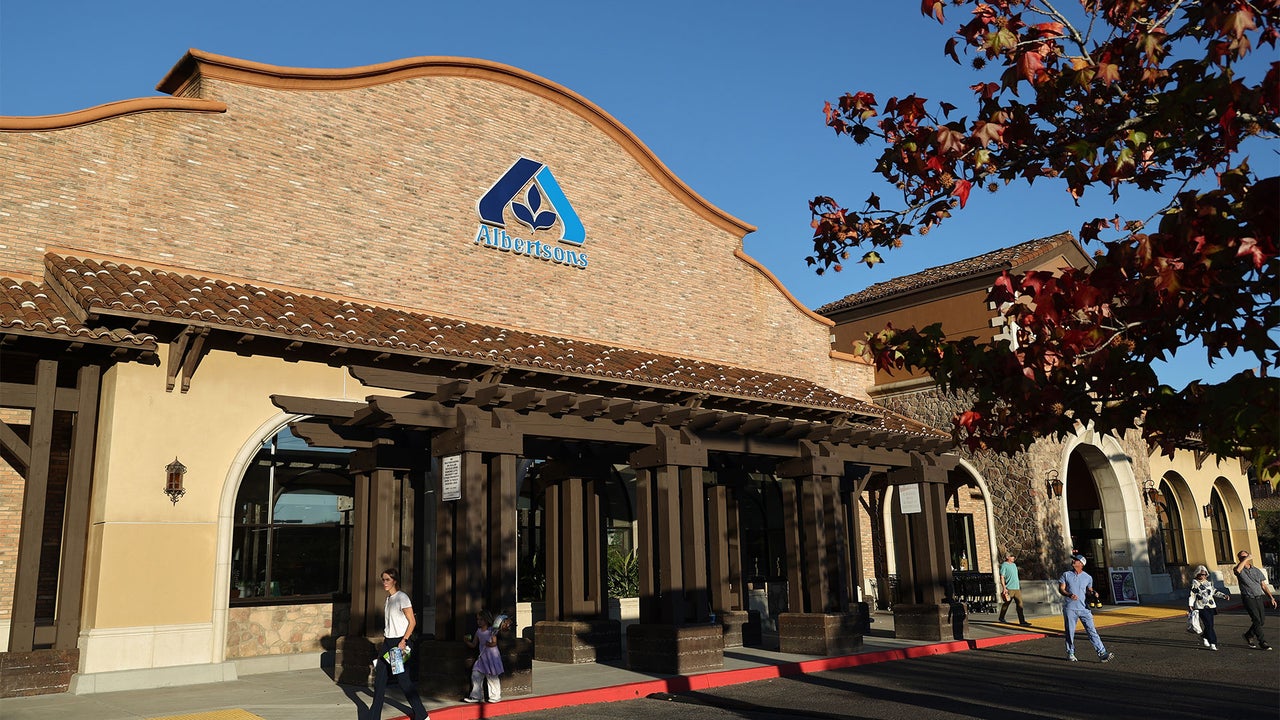
Albertsons is closing at least a dozen store locations in 2026 across its portfolio (Albertsons, Acme, Safeway, Vons, Randalls, Balducci's) following failed Kroger merger. Company paused store optimization during 2-year merger process and has resumed footprint rationalization. Despite closures, expects net positive store count in FY2027.
Source: Fast Company
The leadership read
Restructuring typically reshapes the sector leadership bench strength toward transformation and turnaround capability.
Market context: Backdrop: a 105.8 (Hot) Talent Market Index (down 2.4 on the month) with Americas activity rising (+2.4pts).
Albertsons Companies: 1 signal in the last 90 days.
From the MitchelLake archive
More signals across Americas
Restructuring · Americas
LIV Golf →LIV Golf is facing multiple lawsuits, financial strain (uncertain PIF funding), leadership visibility issues (CEO absent from press conferences since May), and operational disruptions (47-day break, cancelled events). The league is actively searching for new investors while managing contract disputes and intellectual property challenges.
Restructuring · Americas
Fluor Corporation →Fluor sold its equity stake in the 33-year-old ICA-Fluor Daniel joint venture to partner ICA for $175 million, exiting the Mexico joint venture while maintaining project-based engagement.
Restructuring · Americas
S&P Global →S&P Global completed spinoff of its Mobility business (now Mobility Global) on July 1, 2026, separating its automotive market intelligence and CarFax operations into an independent publicly traded company.
Restructuring · Americas
Center for Justice Innovation →Center for Justice Innovation consolidated Manhattan administrative headquarters operations from three non-contiguous floors to a consolidated space of 34,300 square feet across two floors at 520 Eighth Ave. under a new 20-year lease. The reorganization includes expanded collaborative areas and modern workplace amenities to support future growth.
Restructuring · Americas
Plenty →Plenty shrunk its Chesterfield campus vision following Chapter 11 bankruptcy filing.
Restructuring · Americas
Hedera →Hedera Network suffered a $5+ million security exploit, with attackers bridging stolen assets across multiple blockchains. The incident reflects wider security pressures in the crypto sector with a 50% rise in security incidents in H1 2026.
Intelligence powered by Autonodal ↗